


Meet “Building Belonging”
The youth named their project Building Belonging, and they didn’t just talk about what they could do, they made it happen.
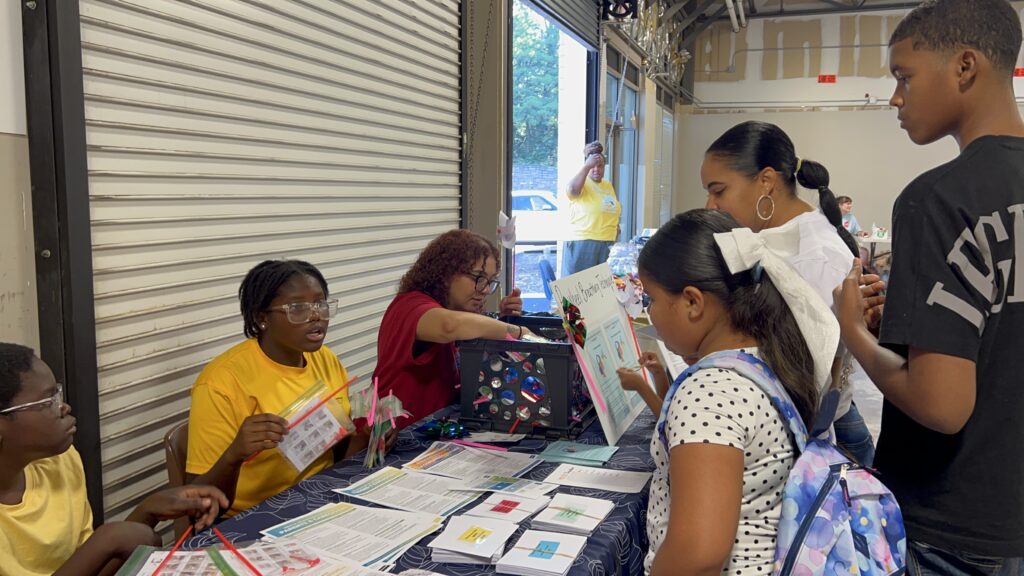
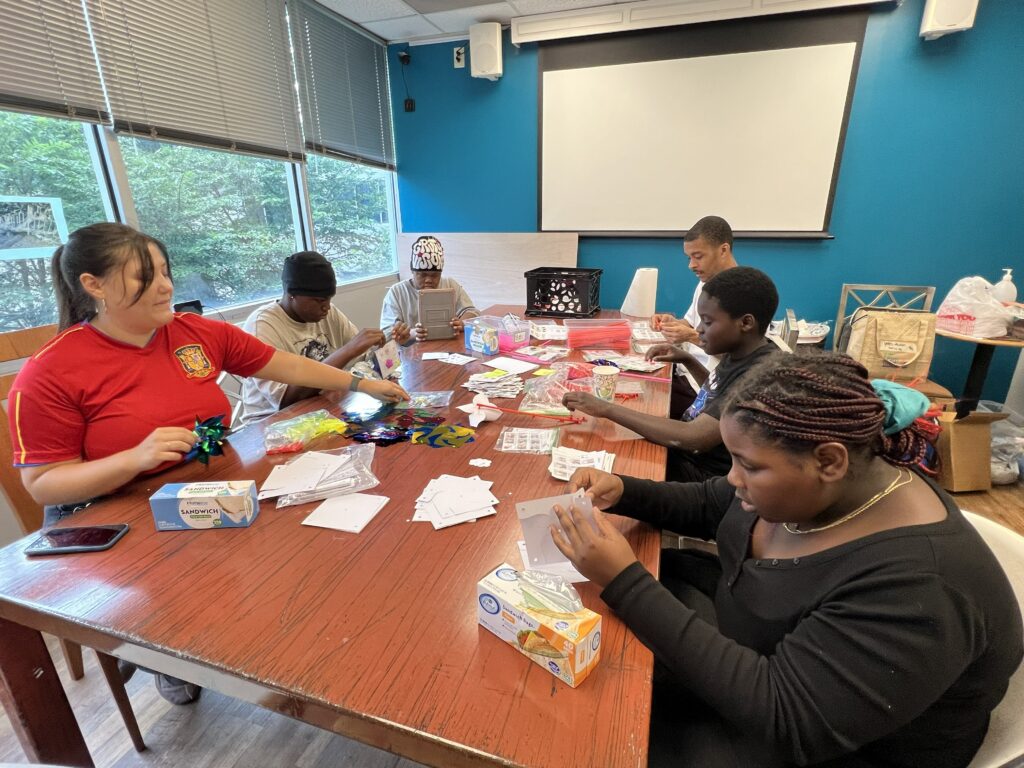
The teens designed and distributed 175 free wellness kits filled with mental health and wellness resources, activities, and information from local community partners. They also created their own “How Are You Feeling?” cards, offering supportive prompts and strategies for navigating different emotions and situations.
One of the youth leaders, Joel Huchin Chi, a YELLS 10th grader, connected especially strongly with the topic of loneliness.
“Loneliness was the most important for me because I see it in school and in other places. Personally for me too, because when I came here from Mexico I felt like I lost all of my friends and I felt like I wasn’t ready to make new friends here.”
For Joel, that personal experience helped shape the way he approached the project. He wanted other people to know that feeling lonely doesn’t mean something is wrong with them—and that they can still reach out, connect with others, and take care of themselves.
Turning Feelings Into Art
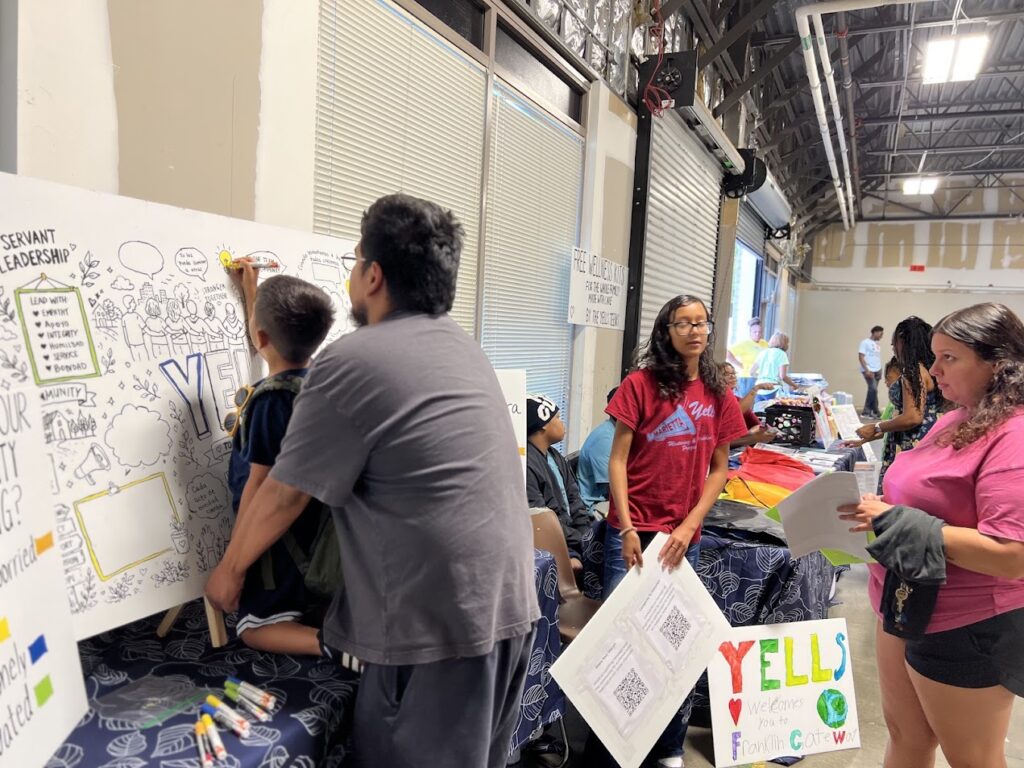
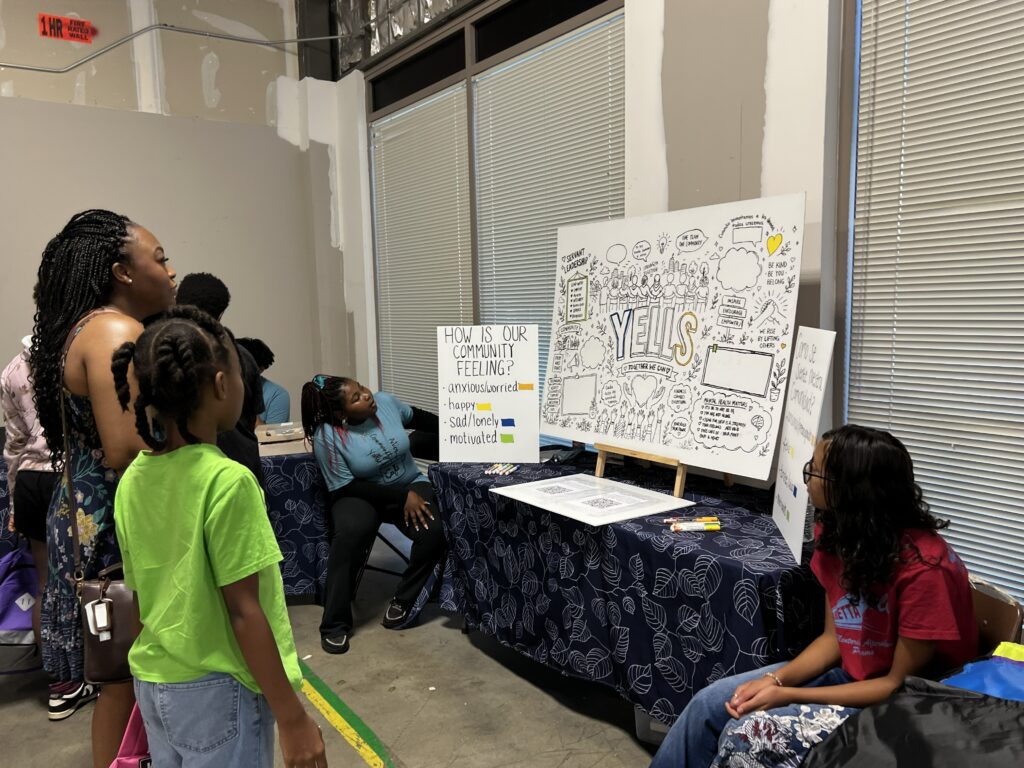
The teens also created an interactive community wellness mural, inviting community members to reflect on what wellness means to them and add their own uplifting messages.
For Joel, the mural was one of the most meaningful parts of the project.
“Instead of just giving something out we tried to make art with their feelings and that was really cool for me.”
The mural gave community members a chance to contribute rather than simply receive something. People could add their own words and encouragement, creating a visual reminder that their thoughts and experiences have a place in the community. The mural now has a permanent home at YELLS.
The event also included a QR code connecting participants to additional reflection questions and YELLS social media, extending the conversation beyond the event itself.
A First Step Into Community Leadership
For Joel, who had only recently joined YELLS this summer, the project also offered the chance to try things he’d never done before.
“It was my first time helping with a project like this and giving things out to the community,” he shared.
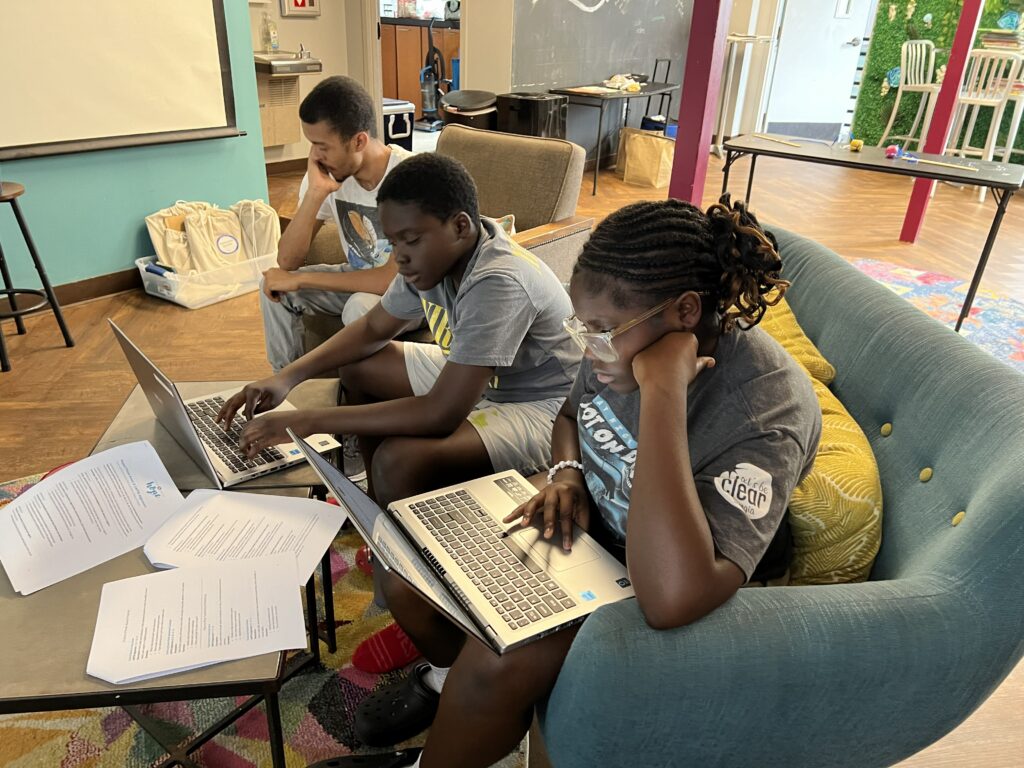
He helped make wellness bags, create Canva cards, work on marketing, research emotions, reach out to potential partners, and gather resources for the event.
“I thought about how to make people feel better about themselves,” he said.
Those are exactly the kinds of experiences that made the project so valuable for all nine youth leaders.
Rather than simply participating in an activity planned by adults, the teens were responsible for identifying a need, developing ideas, making decisions, dividing responsibilities, solving problems, and interacting with community members. Along the way, they strengthened their skills in leadership, confidence, public speaking, teamwork, problem-solving, advocacy, event planning, and communication.
And, of course, they learned that having lots of great ideas is one thing, and figuring out which ones you can actually accomplish on a deadline is another!
The team had a tight timeline during YELLS’ six-week summer program, which meant they had to prioritize, make decisions, and stay focused. While narrowing down their many ideas was a challenge, it also became an important part of the leadership experience.
Community Change Takes a Team
The project also gave our teens the opportunity to connect with organizations already doing important work in the community.
They collaborated with Cobb Collaborative, Center for Family Resources, and United Way, helping them see that community change doesn’t happen in isolation. It happens when people and organizations bring their different resources, experiences, and ideas to the table.
And thanks to the State of Hope Youth-Led Service Pilot, our teens had an actual project budget to work with.
That may sound like a small detail, but it made a huge difference.
Having $1,000 in funding meant the teens weren’t just talking about what they might do someday. They had real resources to make decisions, put their ideas into action, and see the results of those decisions in their own community.
Here’s what Joel hopes people take away from the project:
“I hope the project will make people feel better about themselves. Maybe try to get to know themselves better. I hope they know that they can reach out to people.”
For Joel, that message comes back to belonging and to understanding that being alone sometimes doesn’t mean you don’t matter.
“You don’t have to change to be like other people. And being lonely doesn’t mean that you don’t matter.”
That’s what made Building Belonging so meaningful.
Our teens didn’t just complete a service project this summer. They identified a need, developed their own response, connected with community partners, served their neighbors, and discovered that they have the ability to be part of the solution.
And we’re pretty proud of them for it.
